About The Plant

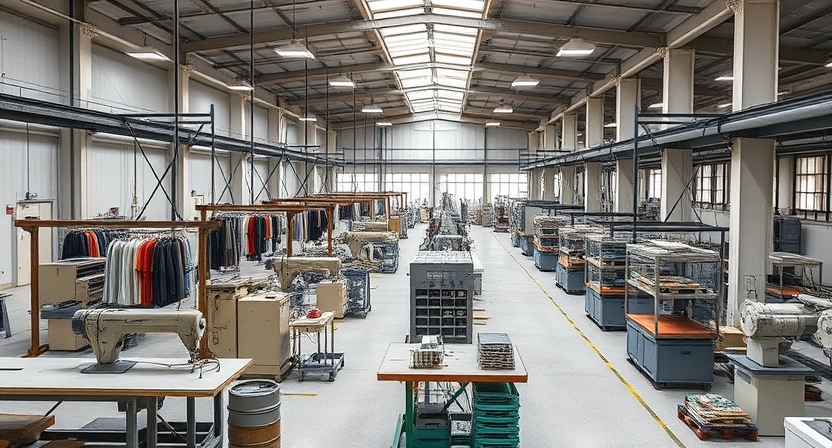
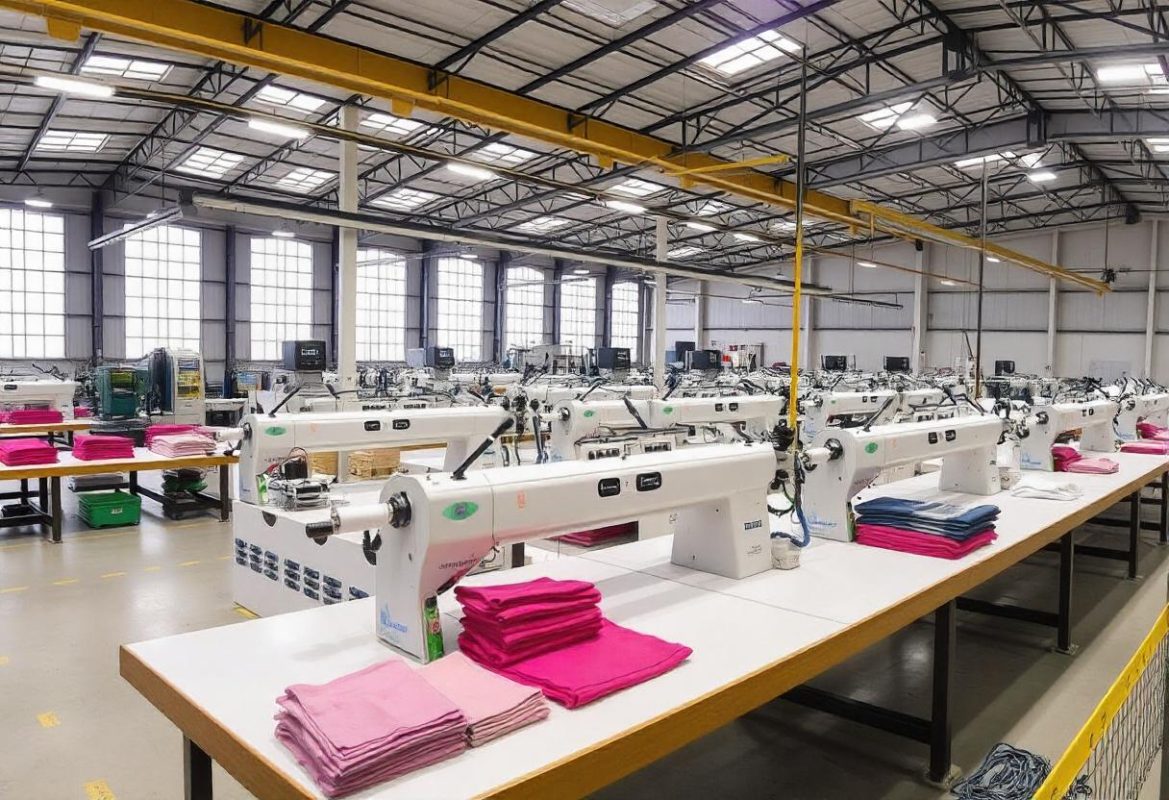
The dress plant has excellent ground with an area of 8000 m2. The sections of the plant sited harmoniously and organized by an up-to-date architectural engineering with an integrated infrastructure and a distinguished location near the capital Damascus. It is equipped with the most important machinery, equipment and the advanced instruments to manufacture everything required for the world of fashions.
The Open Way

The founders, the administrative and the technical staff in the plant agree on several goals:
– The quality
– Updating and development of the machines and the techniques and always to develop the same.
– To put the standards and to develop them continuously and to bear responsibility.
– Training and preparing high-level technical staff aiming through these goals to produce high-quality products in a definite time and at suitable prices; the matter which qualifies this industry for partnership and cooperation with high career international companies.
Dress_company_building

Experience the Difference

Don’t just take our word for it. Judge for yourself!

The plant has great capability to fulfill the orders of the clients with suitable quality, time and price.

The plant has the most important and the most advanced machines of clothes manufacturing for all stages; the matter which positively reflexes on the product quality and the speed in production.

The Plant Sections

The plant parts is based on a professional industrial structure as follows

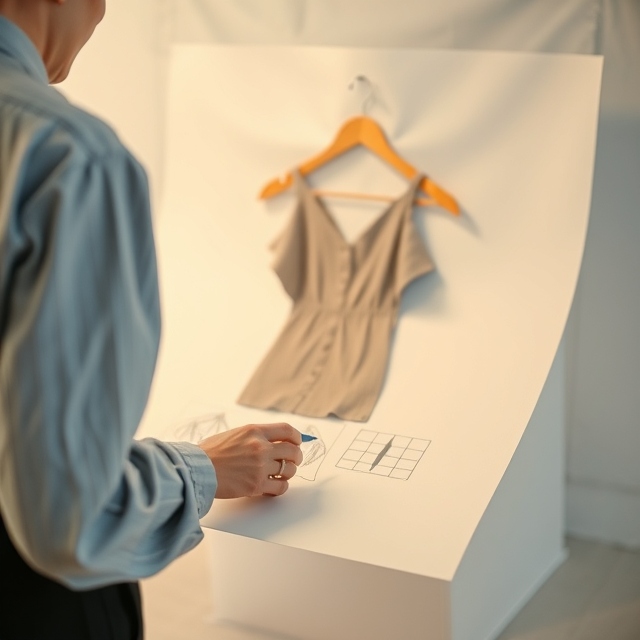
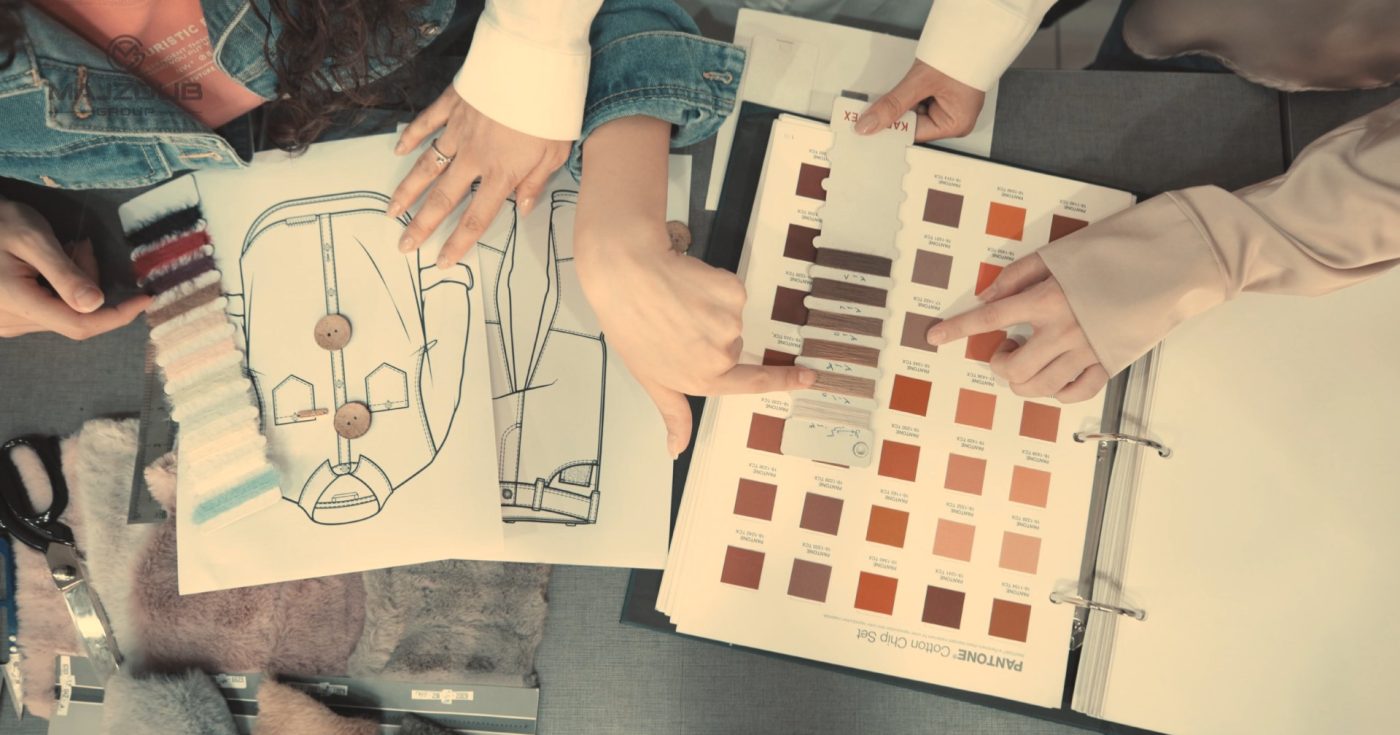
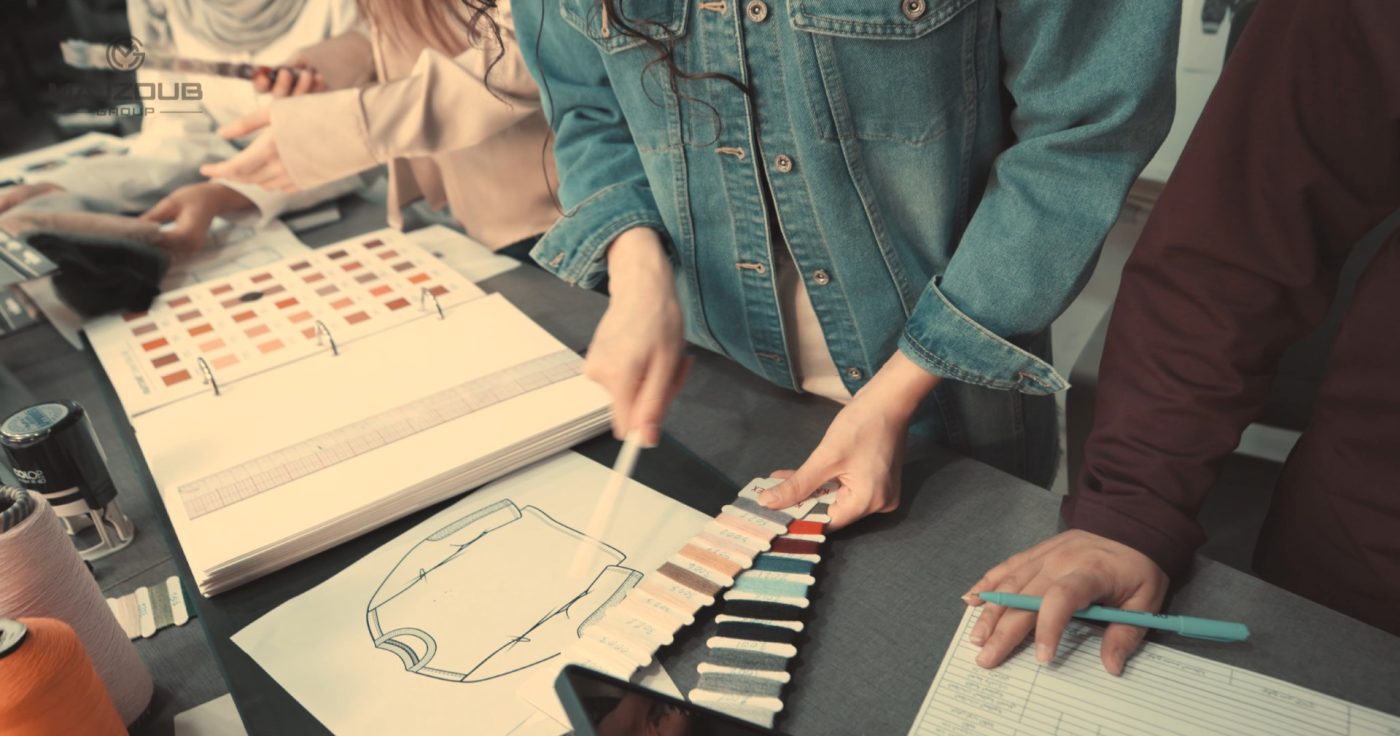
The section of the clothes designing is responsible for inventing, designing and development of the fashions and to embody them with responsibility to fulfill the client’s desires. The designers develop a group of new designs for the most up-to-date and the most important new tendencies and choose the clients for each season. Furthermore, the designers develop a special designing library for the fabrics, embroidery, printing and accessories for each season; and they professionally converse then into fashion designing.

The Section Of Trade

The section of trade works as a mediatory between the plant and the clients. This section is considered as the heart of the company. It coordinates with the clients to receive the orders, sends samples of the clothes to obtain the approval of the client and to receive the comments about the samples and the other approvals. Also, it prepares the sheet of the clothes cost and follows up the production activities.

Activities of the

  •  To communicate with the clients
  •  To review the sample of the clothes
  • To develop the clothes sample
  •  Production cost
  • To develop a good relation with the client
  • To list the activities of pre-production and production stages

section of trade:

  • To prepare the list of materials and the margin of the fabric
  • The resource of the raw materials
  • To provide the approval of quality
  • To prepare the production file
  •  To hold the meeting of pre-production
  •  To perform the orders
  •  To provide the after sale services.

The section of the technical patterns making

To make the technical patterns of the clothes and to digitalize the patterns into CAD using the most up-to-date specialized programs in drawing and designing the patterns. The main activities of the section of the technical patterns making:

  • Making the pattern
  • The form of measures
  • To develop the sample
  • To test the suitable clothes and to correct the patterns
  • To include the comments of the purchaser on the samples
  • To make an applicable sample of the production
  • To calculate the fabric consumptio
  •  To plane the relation

The section of sample taking

The section of sample taking makes all types of samples which shall be offered to the purchaser. The inspection section checks up the convenience of the sample. Activities of the section of sample taking:

  • To prepare the sample materials invoice
  • To calculate the fabric consumption
  • To make samples of the clothes by following up the operations of cutting, sewing, finishing and testing.
  • To measure all samples and to check up the quality of the clothes samples. To prepare the report of the quality for the sizes and visuals.
  • To make the test of the fabric retraction in the form of clothes.
  • To coordination with the production team in order to communicate about the critical points for sewing the style and to deal with it.

The section of clothes storing

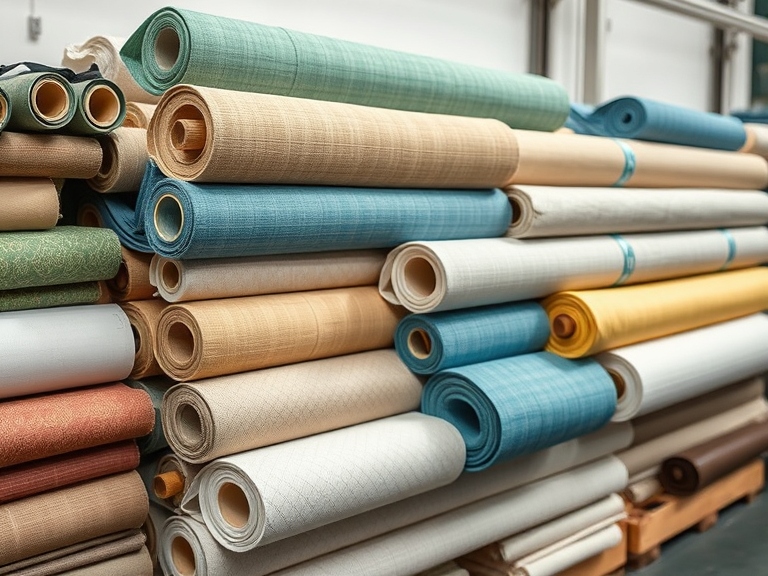
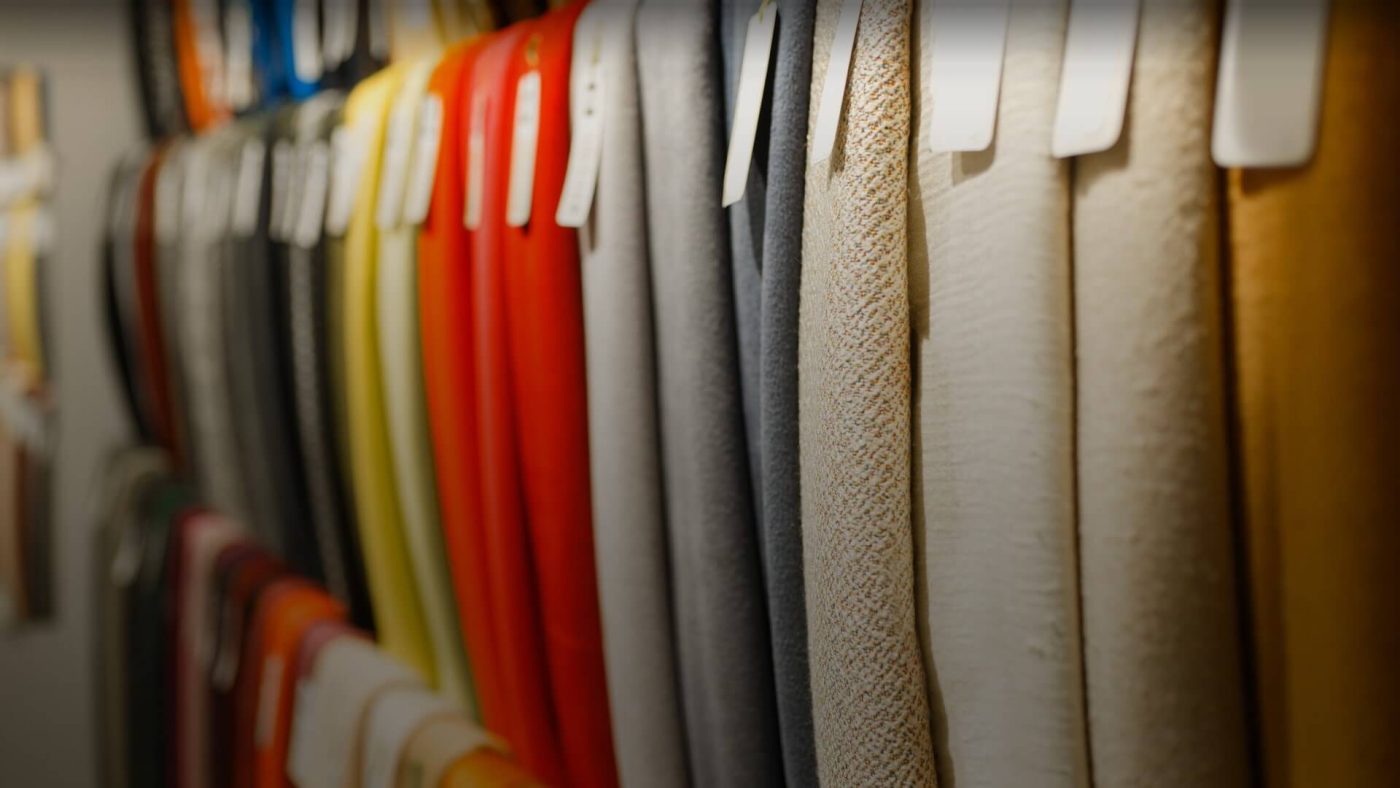
Dealing in the section of clothes storing is done through the employee in charge of the fabrics and he is assisted through a team of assistants for loading and unloading the fabrics and issuing the fabric to the section of cutting. The section of fabrics receives and stores all types of fabrics. The fabrics rolls are stored on shelves or on wooden stands. The main activities of the fabrics store:

  • To receive the fabrics and raw materials
  • The main selection of the physical
    properties of the fabrics
  • To deliver the fabrics to the section of
    cutting.
  • To keep the record of the fabrics inventory.
  • To prepare the shading film of the fabrics

The section of accessories storing

This store receives all types of decorations and accessories and store them in shelves.
The tasks of this section include:

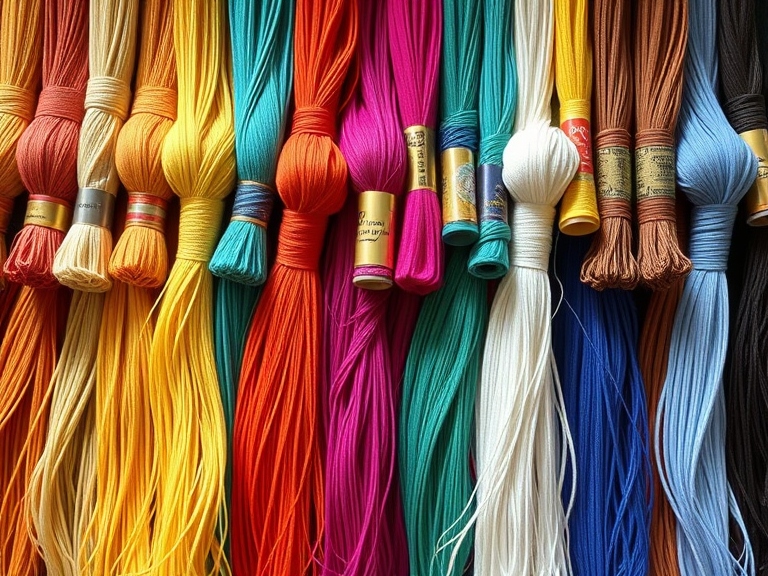
  • To receive the decorations such as the
    threads of sewing and the filling
    accessories
  • To check up the decorations and the
    accessories as per quality and quantity
  • To store the decorations and to maintain
    the stock
  • The matter of parts and accessories
  •  A long cotton ribbon
  • To arrange the adornments in the
    shelves or in the container in order to get
    the adornments easily upon receivin

The section of production planning and controlling

It is responsible for planning and listing the orders. Production planning and controlling performs and follows up all production operations from purchasing the raw materials on time, completing the production works on time and delivering the shipment on time.

  • The activities of the section:
    Listing the tasks
  • Planning the materials requirements (inventory)
  • Issuing the production orders
  • Selecting the operation and planning
  • Estimation of the quantity and the production costs
  • Capability of planning
  • Planning the production line
  • Following up the production and performance
Our Operational Procedures

The section of cutting

  • To receive the fabrics from the fabrics store
  • To lose the weave
  • The cutting planning
  • To extent the fabric/ layers on the cutting table
  • To plan the marker
  • To print the marker
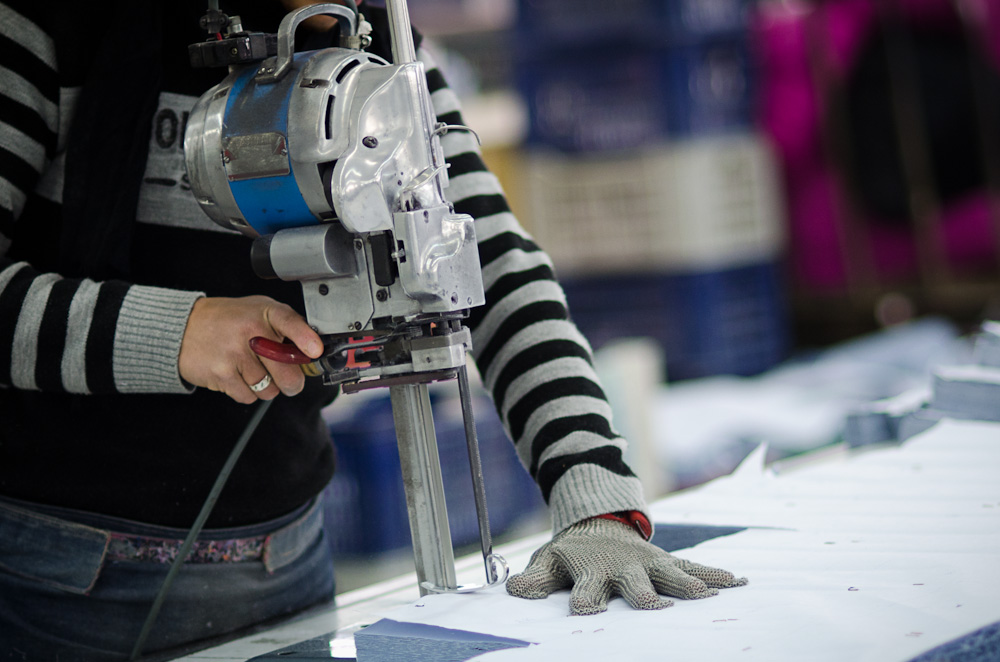
  • To cut the fabrics
  • To store, assemble and number the clothes layers (the parts)
  • To test the elements of cutting
  • To sort the printed plates and the embroidery
  • Re-cutting the sheets
  • To assemble the parts of the model
Our Working Principles

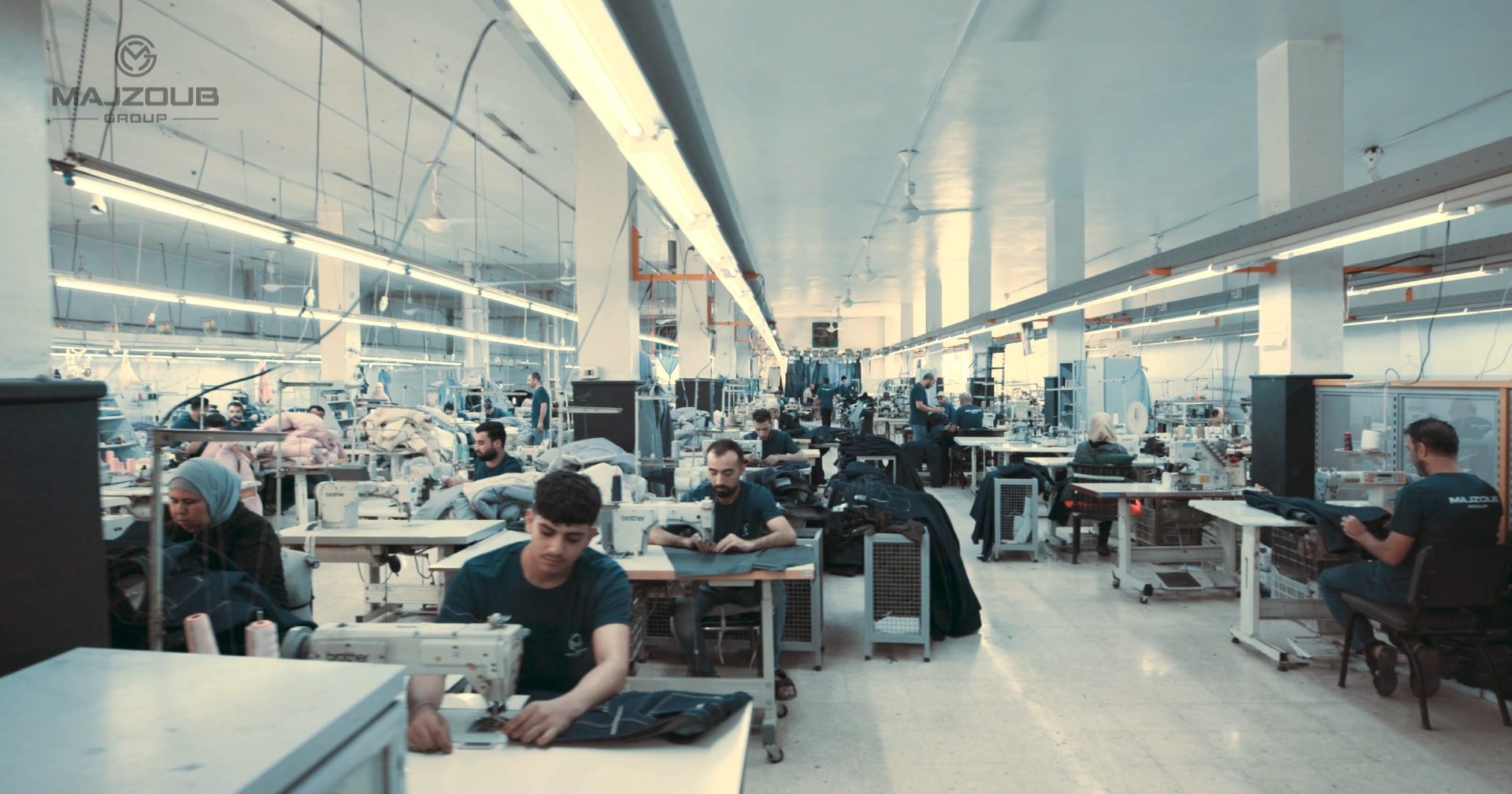
The section of sewing

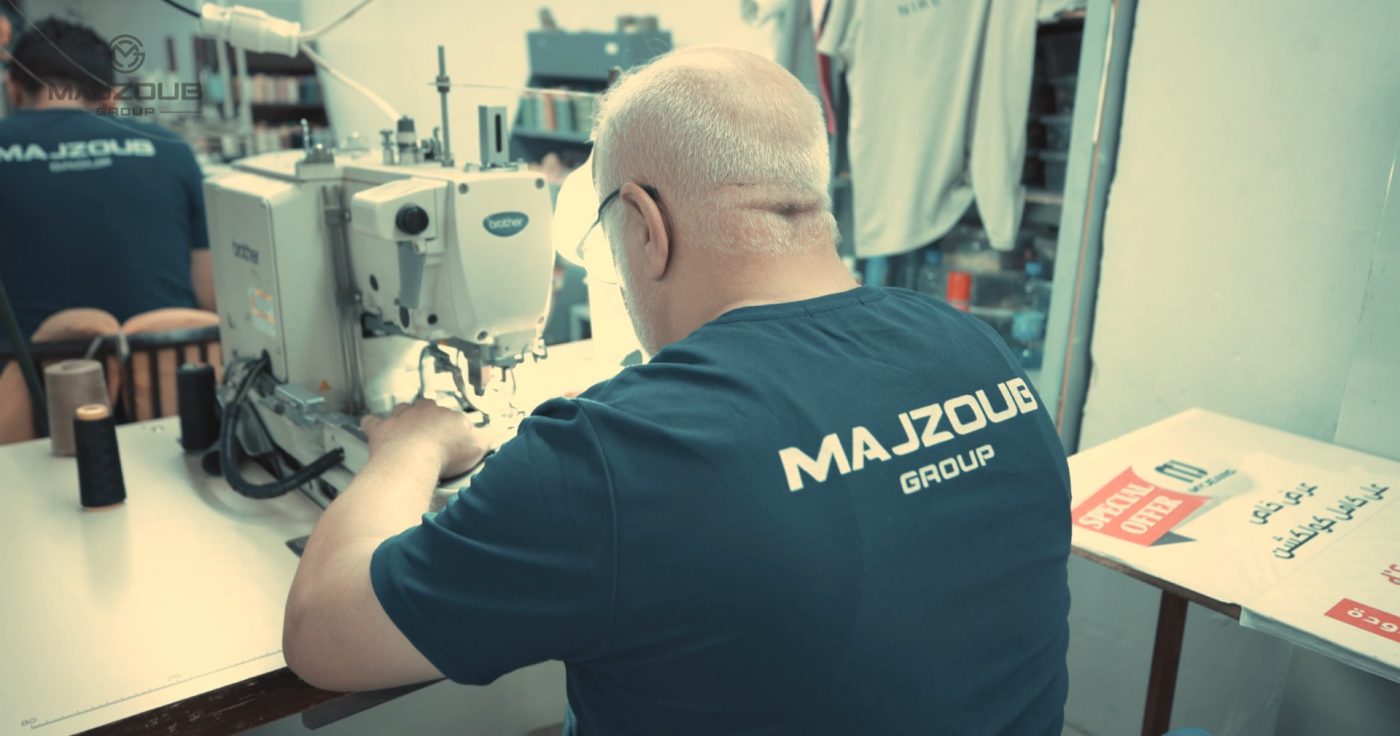
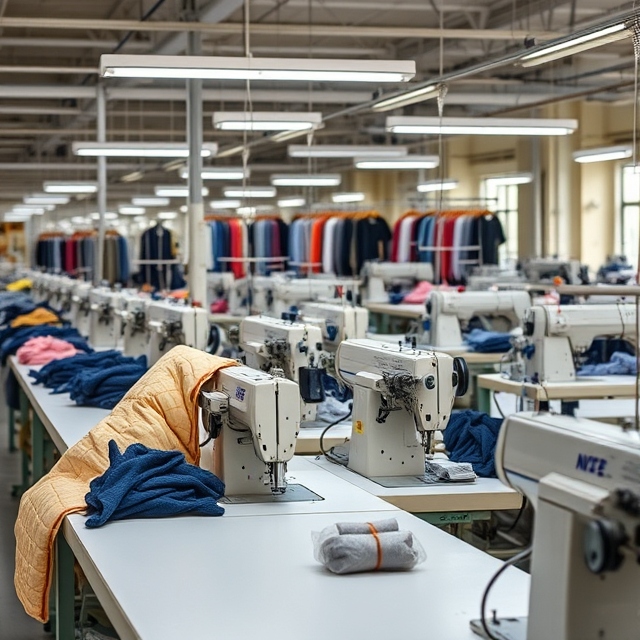
In the production lines of sewing, different types of production systems and productions lines planning are used. The plants work either in the assembly line or the system of the group.

The main tasks:

  • To prepare the line
  • To sew the model through distributing it into
    specialized production stages according to
    the specialized machine and the specialized
    technician
  • To draw, mark and correct the model parts
  • To iron the model parts
  • To test the sewed clothes
  • To sew the amendment
  • Documentation

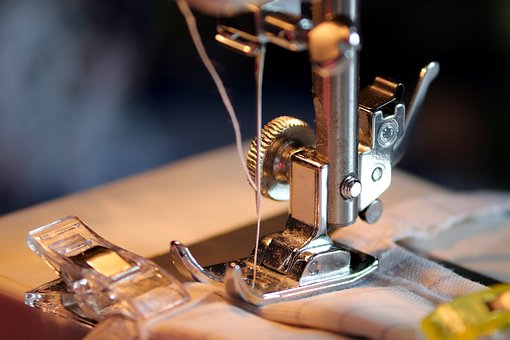
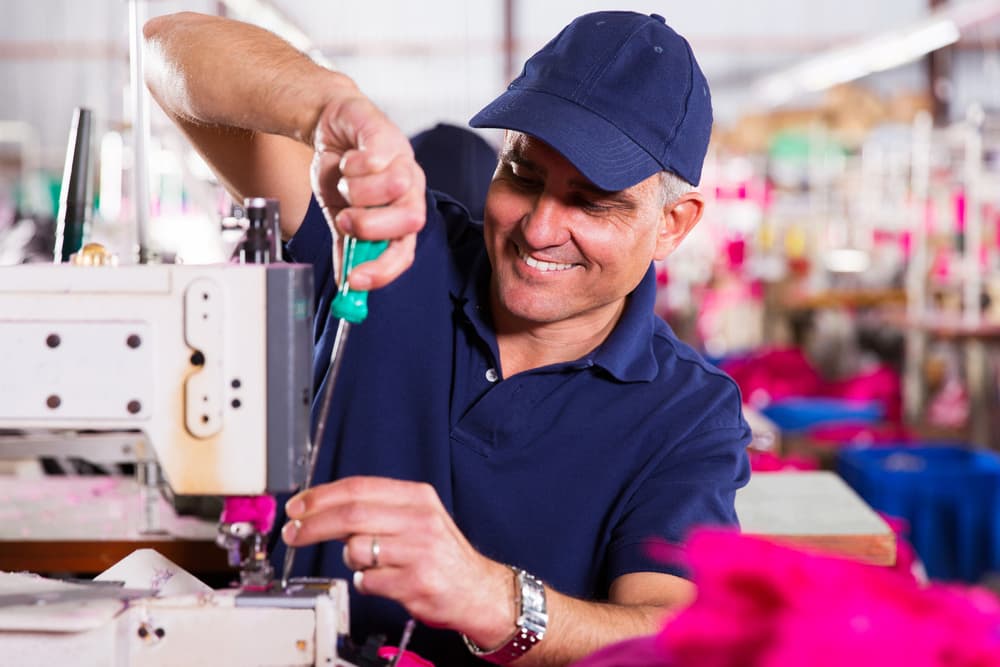
The section of the machines maintenance

This section repairs the machines and takes care of the sewing machines maintenance.
The main activities:

  • To prepare the machine
  • To repair the sewing machines
  • To maintain the inventory of the machines spare parts
  • To make the precautionary maintenance of the machines and the equipment
How We Do Things

The industrial engineering section

– SAM studies & cost estimation
– Thread/yarn consumption calculation
– Loss analysis and target setting
– Machine selection and layout
– Method study & improvement
– Time & motion study
– Operator training and line balancing
– Direct labor cost analysis
– Production control systems

Our Way of Working

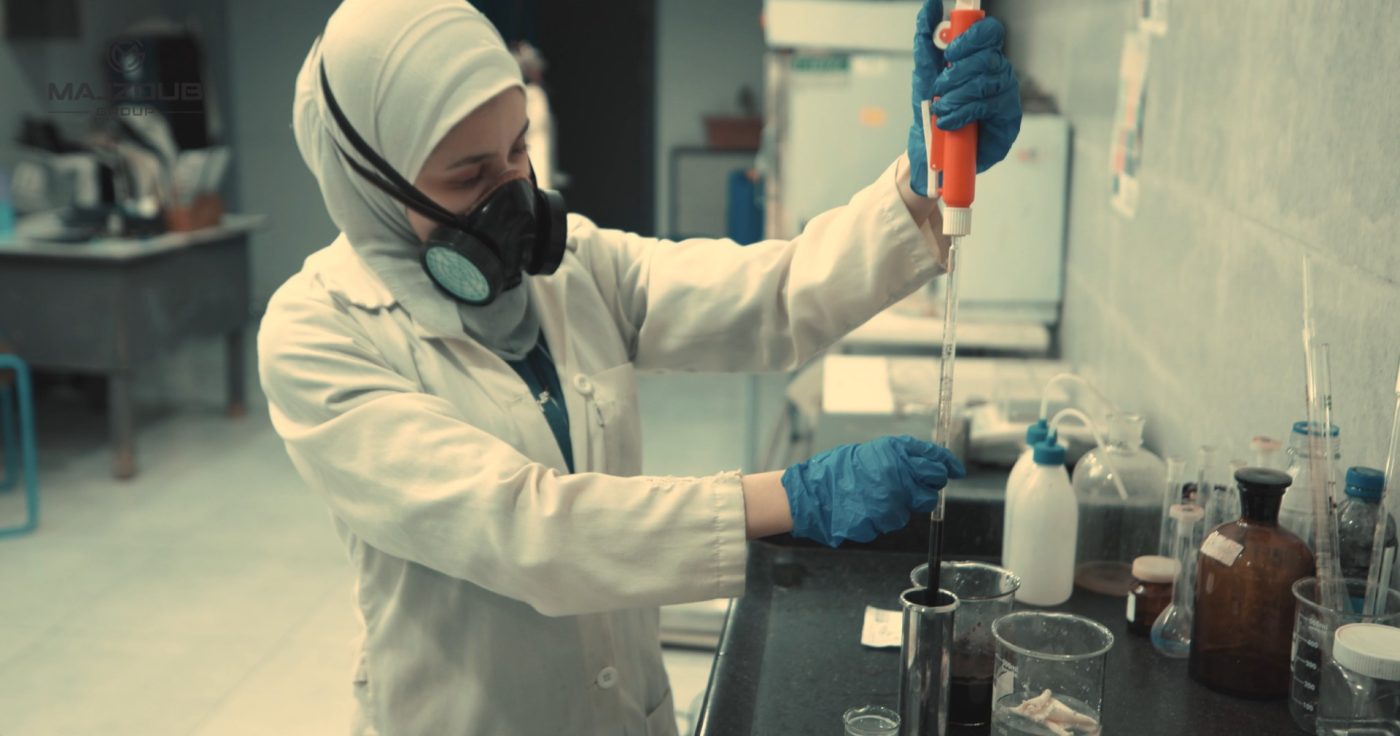
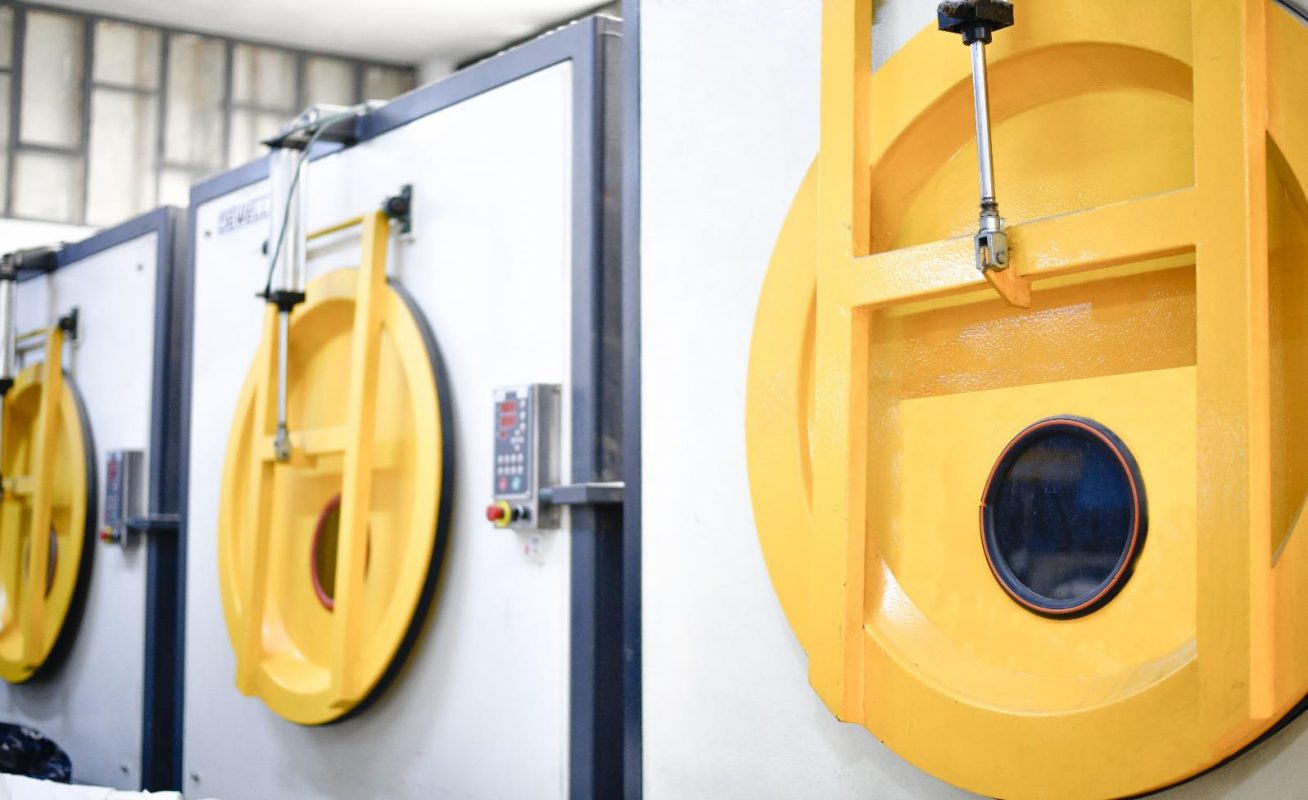
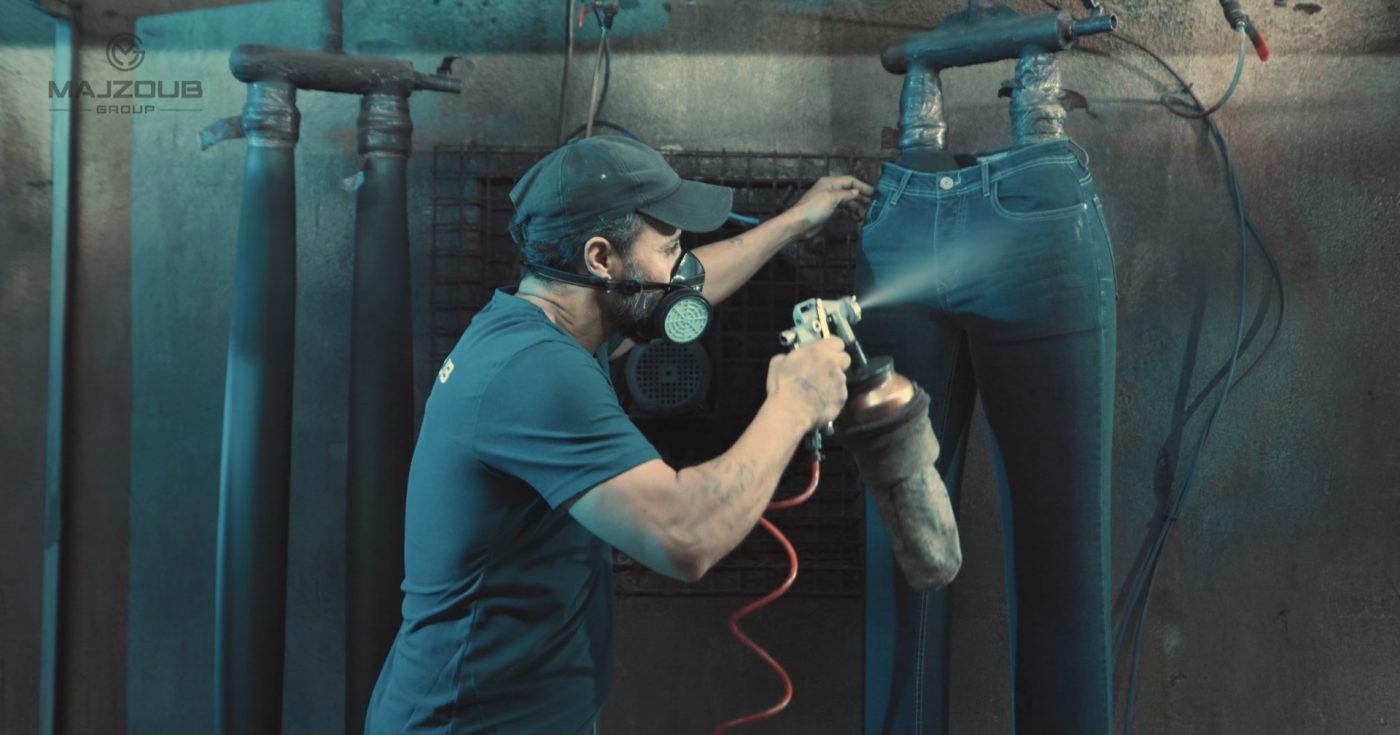
The section laundry

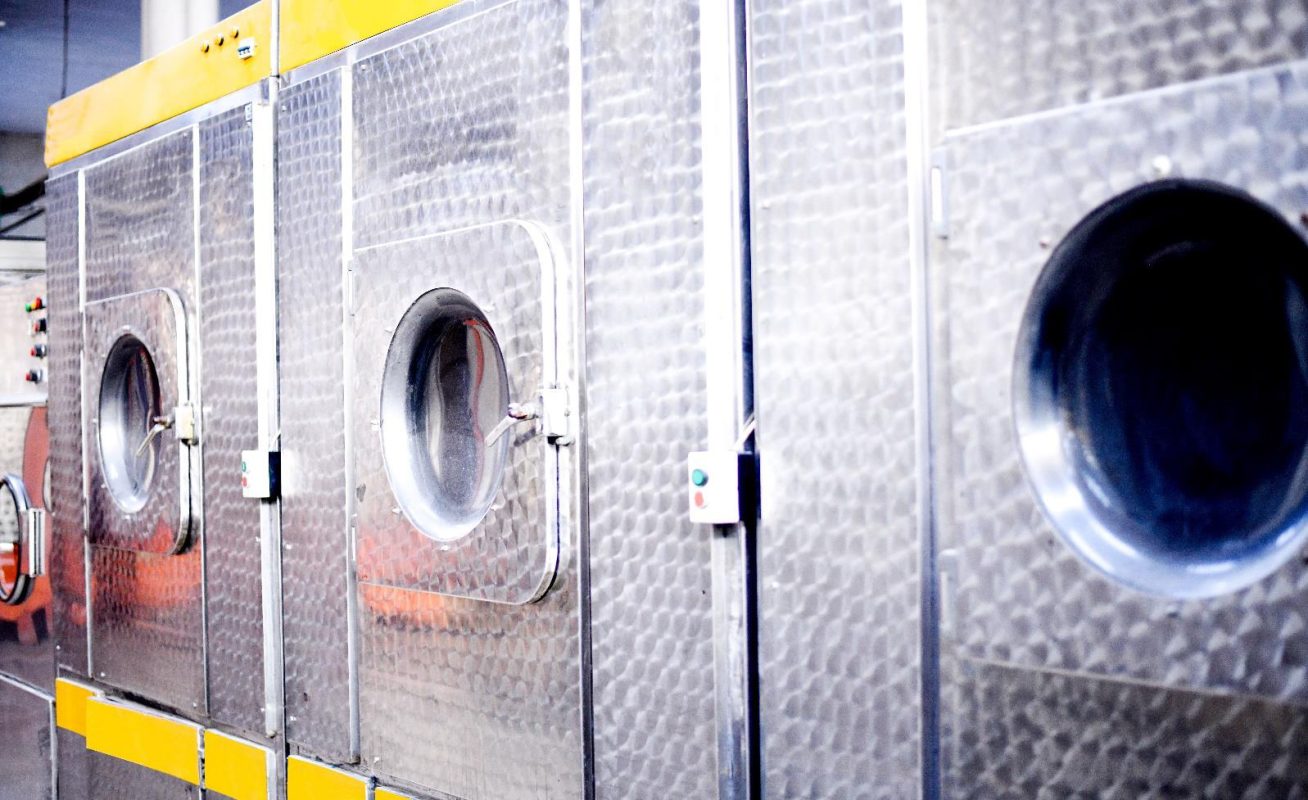
The laundry is the member which provides the shining spirit for the fashions. The operations of treatment, washing, softening and sterilizing all clothes products are performed in the laundry in order to give the required physical specifications. It consists of:

  • The laboratory section:
    Where color analyzing performed by using the most up-to-date technical instruments
  • Dyeing section:
    It works in dyeing the model according to the colors ordered by the client
  • Scrapping off section:
    To treat the jeans clothes by specialized machines
  • Artistic works section:
    The artistic works to be done by hand or by specialized machines including wearing-out,
    spraying, crushing, laser, model slashing.
  • Cleaning section:
    The clothes needs for washing after sewing to remove the dust and the markers and to
    give the shining appearance to the clothes. This section washes the clothes in addition to the cutting sheets (of necessary); and cleans the clothes samples at request.

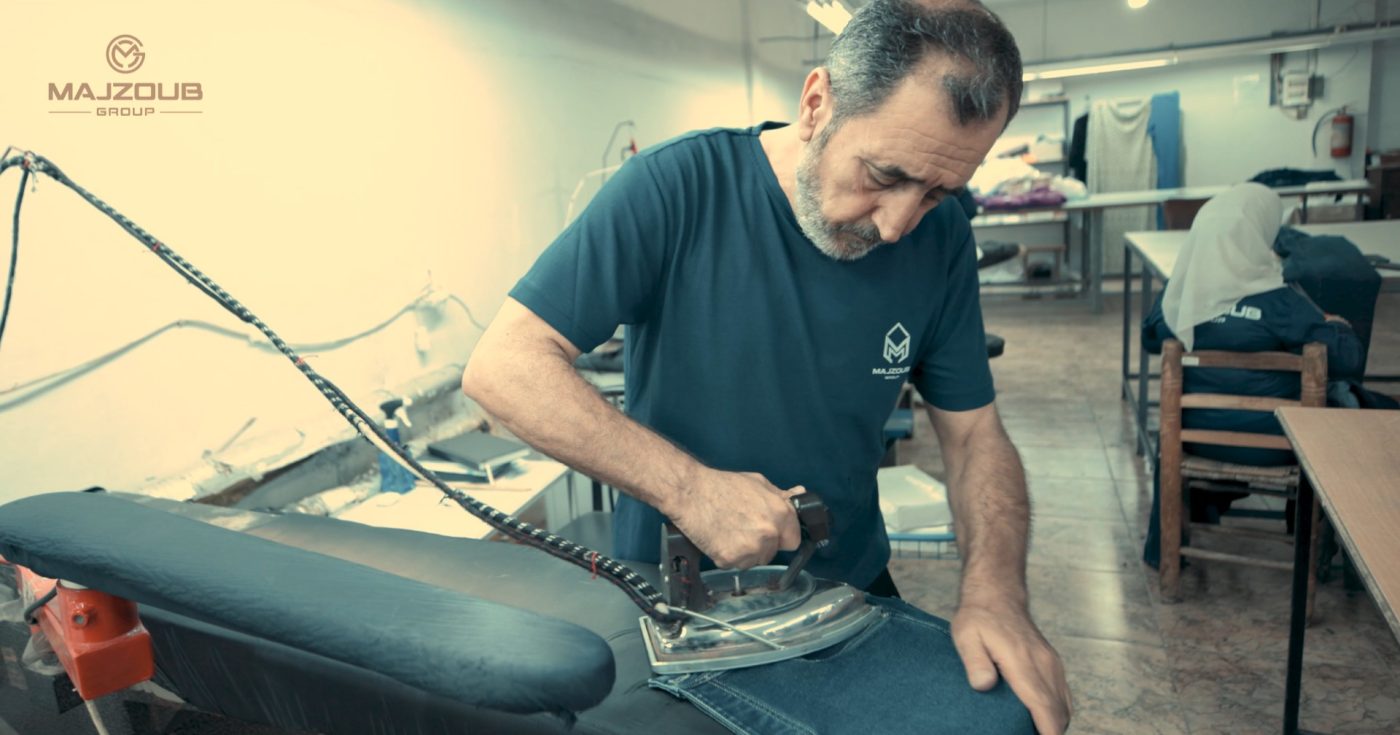
The section of finishing

The main activities of the finishing section includes trimming the threads and
checking up and ironing the clothes. The section of filling works in line with the
finishing section in the plant. Folding of the clothes, putting the marks and
packaging are performed in the finishing section.
The activities of the finishing section:

  •  To cut the thread
  • To test the quality of the clothes
  • To remove the stains if any
  • To iron the clothes
  • Folding and putting the marks
  • Filling
  • Communicating with the internal section

Quality control/Quality insurance section

Activities of the quality control section:

  • To put the quality standards
  • To found the standard operation quality
  • To insure the quality
  •  Activities of quality controlling in pre-production state
  • To check up the weave and the interior inlaying; and to insure that only the high quality products are approves.
  • To share in developing the product, the stage of samples taking and taking care in the quality of the samples.
  • To verify that there is no faulty fabrics were sent to the section of cutting. In case that there is any simple fault in the fabric, and remarks shall be put on the faults of the fabric and to notify the section of cutting.
  • To prepare the report of checking up the quality of the weave and the de

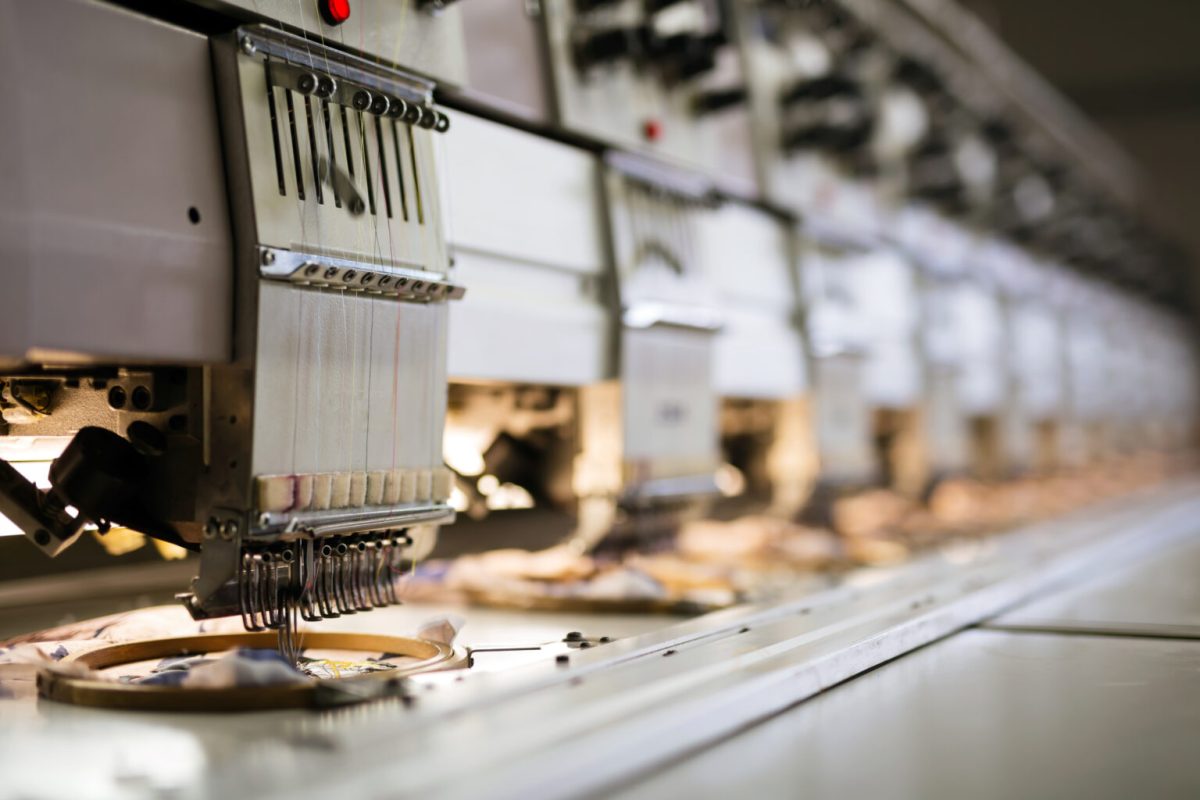
Printing and embroidery section

  • The direct printing on the fabric
  • The thermal printing
  • The silk printing
  • The digital printing
    The activities of the printing and
    Embroidery section:
  • Printing the fabric
  • Embroidery of the fabric
  • Adding the stars
  • Handmade piercing
It consists of:

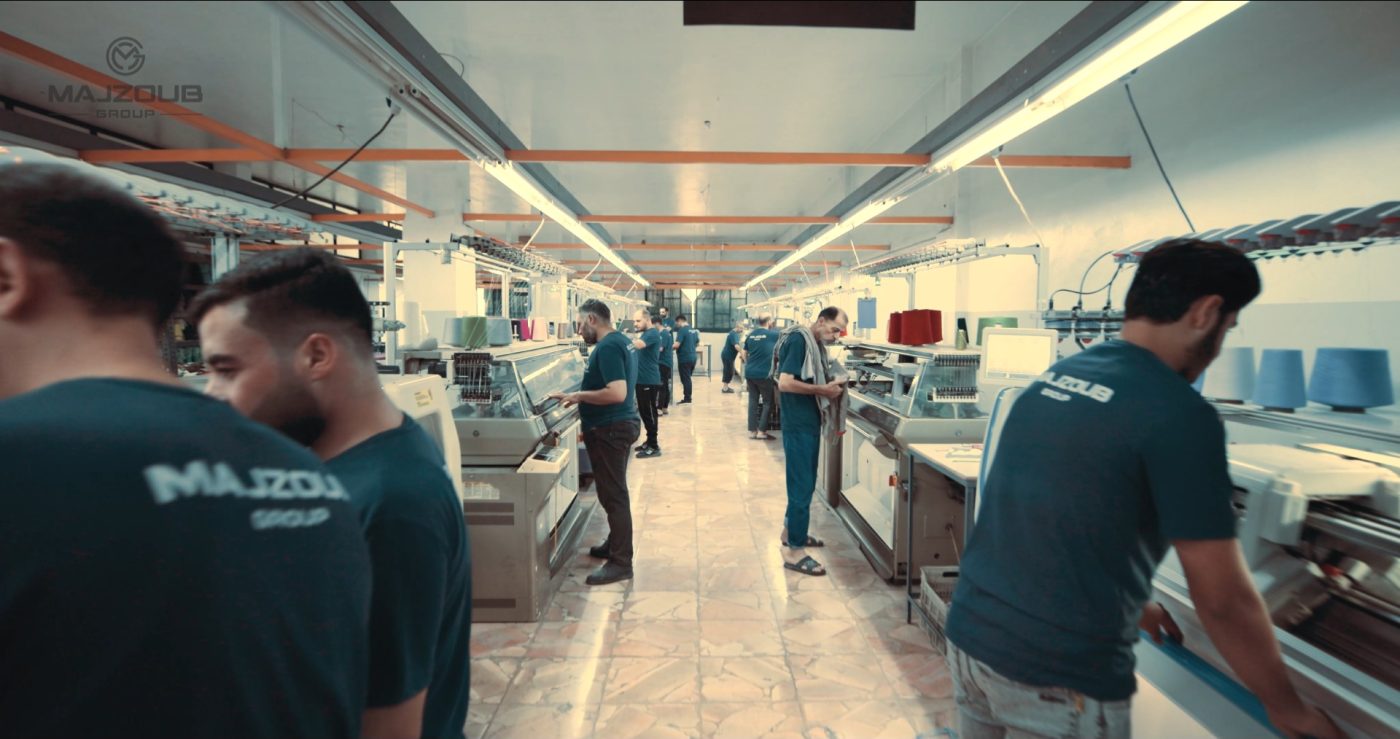
Tricot production section

  • Designing section:
    the designers work on invention the up-to-date designs and to digitalize them on the program SDS-ONE APEX3
  • Weaving section:
    contains the most modern machines (Shima-Seiki) in different softnesses to weave the previously designed models on the program SDS-ONE APEX3
  • Sewing section:
    to perform sewing the tricot products by the specialized machines
  • Samples section:
    making the required samples primarily in order to get the approval.
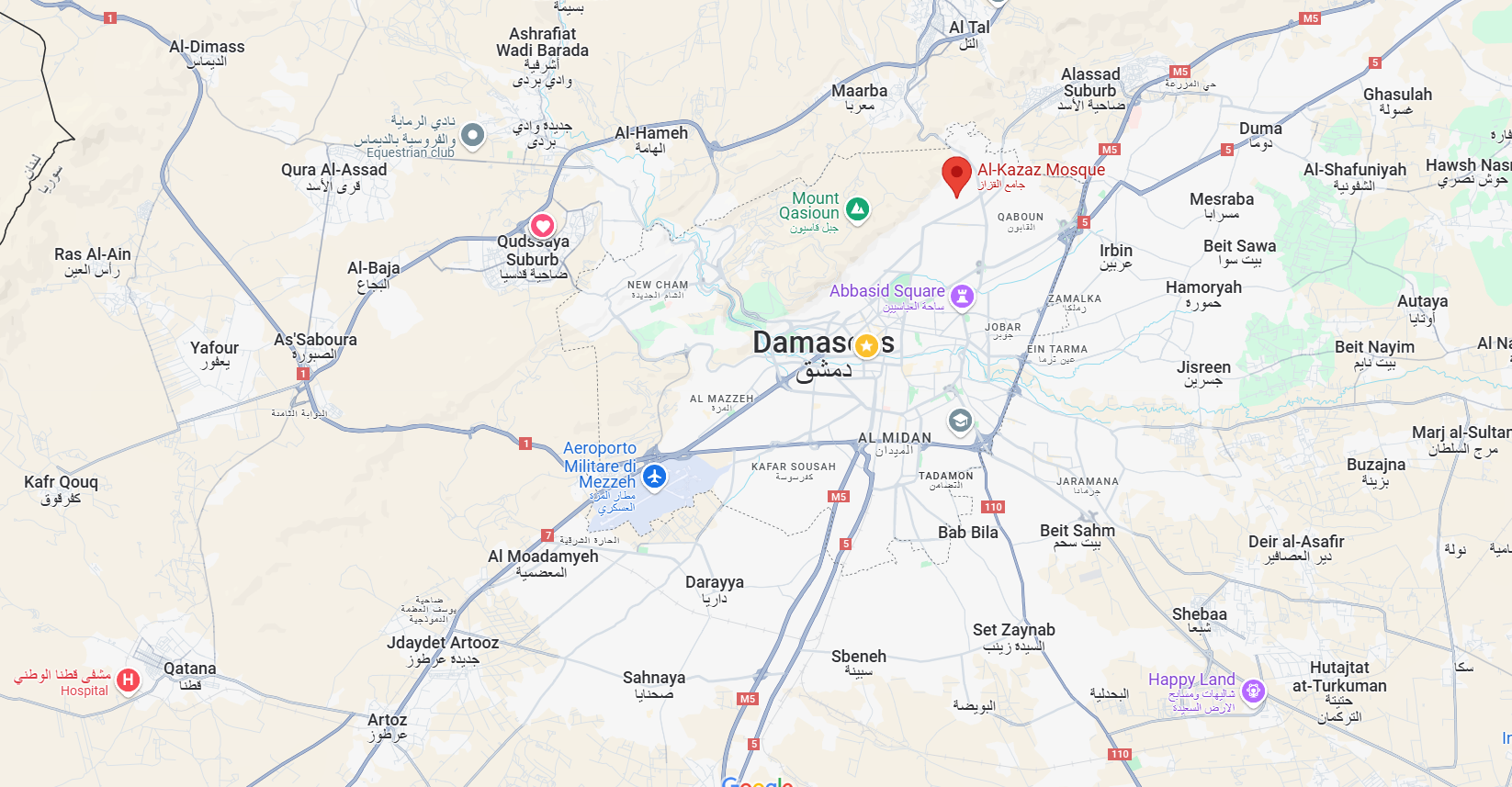
map

Location

The plant is located in Damascus – the capital of Syria – Alkazaz organization – about 7.5 km far from the city center.